
This post contains affiliate links, which means I may earn a small commission at no extra cost to you if you make a purchase through them. Read more here.
Do you struggle with toddler mealtime battles? It can be stressful to say the least. From food refusal, not wanting to come to the table, to having big feelings and toddler mealtime tantrums, it’s no wonder parents often feel stressed and defeated.
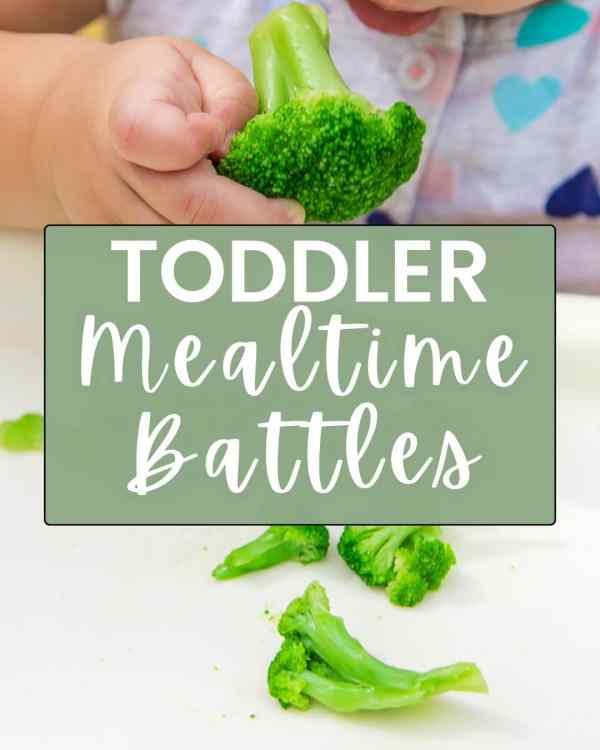
As a family culinary dietitian and mom of two, I understand these challenges and am here to provide practical strategies. I can’t guarantee perfection because truly, there’s no such thing! However, we can explore why common tactics like pressuring and bribing kids to eat can backfire, and I’ll share twenty fun and creative ways to make mealtimes more enjoyable for everyone at the table.
Understanding Toddler Mealtime Battles
Toddlerhood is a time of exploration coupled with a strong determination for autonomy, which often trickles down into mealtime battles. Whether it’s refusing to eat, throwing food, or demanding specific meals, plates, forks, etc, these behaviors are a normal part of development. However, they can significantly impact family mealtime dynamics, leading to stress and frustration for parents. Understanding the reasons behind these behaviors is the first step in finding effective solutions.
Pressuring & Bribing Kids Doesn’t Work
It’s tempting to use mealtime rules like bribing, negotiating, or insisting that your child eats a certain amount/number of bites of food. I’ve worked with many families who try to follow a, “no thank you bite rule” which means the kid must take a bite and only then can they say no thank you.
However, I see these tactics often lead to negative outcomes such as picky/selective eating, anxiety around food, and an unhealthy relationship with eating. Pressuring kids to eat doesn’t foster a positive mealtime environment; instead, it can create a power struggle, making the problems worse.
Bribing a child to finish their plate or take a certain number of bites in order to have dessert can create an unhealthy relationship with food, teaching them to eat for rewards rather than hunger. Over time, this has the potential to lead to overeating and a preference for sugary treats over balanced meals.
Instead of pressure or bribing, the goal should be to create a calm and stress-free environment where children feel comfortable exploring new foods at their own pace. I’m bolding that last part there because it is vital that kids develop their tastes, preferences, and relationship with food on their time.
Effective Strategies for Managing Mealtime Battles
There’s no golden rules, there’s no way to do this perfectly, but there are some things to try out and see how they fit with your family dynamics. To reduce mealtime battles effectively, consider trying these strategies:
- Keep Mealtimes Consistent: Regular meal and snack times help establish a routine, reducing the likelihood of hunger-related tantrums.
- Offer a Variety of Foods: Present different textures, colors, and flavors without any pressure to try them. Exposure without pressure encourages curiosity. On a side note, when you offer something in a package, remove it from its wrapping before serving it. This can help make it seem like just another food offered on their plate.
- Let Your Toddler Decide: Trust your child’s hunger cues and let them decide how much to eat. This fosters independence and self-regulation. I understand this can be difficult because one day they’ll eat a whole burger and the next day they’ll take three bites and be done. Trust me, if you can’t trust them, you can trust them to regulate themselves. If you have concerns about your child’s development or growth, discuss this with your child’s pediatrician and consider a pediatric dietitian referral as well.
- Avoid Using Food as a Reward or Punishment: This can create an unhealthy relationship with food. Instead, keep food neutral.
- Don’t Call Food Good or Bad: This goes with number four, keep all foods on a neutral playing field by using the name and senses to describe the food.
- Focus on the Bigger and Longer Picture: Not every meal will be perfect, and that’s okay. What matters is building long-term healthy habits over time!
- Stay Calm and Patient: Your child will pick up on your stress. Staying calm can help diffuse tension and make mealtimes more pleasant.
- Try Serving Less: Did you know that for many toddlers, having an excessive amount of food on their plate can feel overwhelming? If you’re able, let them serve themselves or if you start their plate for them, put a small amount of everything on the plate. Toddler doesn’t care for peas? Put three peas on their plate. Remember, YOU choose what is on the menu but THEY choose whether or not to eat it and how much of it to eat.
Lastly, I’ll add that it’s okay to take a breath if you’re getting frustrated. Cooking and meal planning all of this food only for them to take three bites of dinner that day can be maddening. It doesn’t have to be though! Join my free community of parents so you get access to a family focused culinary dietitian ready to help you every step of the way!
What Can Meal Planning Do for Toddler Mealtime Battles?
I’m a firm believer that even the busiest of parents can learn to meal plan and prep in a way that will also help reduce mealtime battles. What does meal planning have to do with it? I’m so glad you asked!
Picture this, you get home from work and your partner is off picking up the kids. One kid has to get to baseball and the other to dance so you’ve got twenty minutes for them to eat once they’re home before it’s time to hop back in the car. The problem is, you haven’t cooked, prepped, or planned anything so you’re stressed out staring at your fridge.
That stress trickles down to hungry, cranky, and tired kids busting in the door, needing some regulation, nourishment, and consistency at the table. Do you see where this is going? Meal planning and prepping is (to me) just as important as creating a positive food environment for everyone.
Meal plans don’t have to be perfect, they don’t have to be stressful, but taking the time to learn how to do it will be one of the best things you can do for your family mealtime.
Adding Fun and Novelty to Mealtimes
One way to reduce the stress of mealtime battles is by adding a touch of fun and novelty to the experience. This is honestly one of my favorite things to navigate with kids and families! When mealtimes are enjoyable, toddlers are more likely to engage with the food in front of them. Here are twenty ways to bring some excitement to the table:

- Play dress-up based on a theme (e.g., picnic, tea party).
- Use fun-shaped cookie cutters for sandwiches or fruits.
- Offer food on colorful, playful plates.
- Incorporate character-themed utensils and plates.
- Create a “build-your-own” meal with different toppings or components.
- Introduce themed meal nights (e.g., taco night, breakfast for dinner).
- Use toothpicks or skewers for small bites of food. They make these cute animal toothpicks that my toddlers love!
- Have a picnic on the floor or in the backyard.
- Let your toddler help prepare the meal in simple ways. Whether that is cooking, serving, or setting the table.
- Play soft music that matches the theme of the meal.
- Offer a variety of dips for vegetables or fruits.
- Use a “special” plate or cup that is only for certain meals.
- Tell a story related to the food being served.
- Create food faces or shapes on the plate.
- Play a guessing game with new foods (e.g., taste, smell).
- Let your toddler choose between two different meals or components of a meal like which fruit goes on their plate.
- Use chopsticks or other unique utensils.
- Host a “restaurant night” where you act as the server. Go further and add paper underneath their plates and crayons like they’d get at a restaurant.
- Create a simple food art project on the plate.
- Decorate the table with fun, themed placemats or centerpieces.
Don’t feel pressured to implement all of these throughout every day. When it’s time to sit down for the meal, remind your kids that they don’t have to eat but they do need to come and be with the family. Truth be told, that is one of my main mealtime rules. I don’t set a timer on how long my kids need to be at the table, they’re just asked to come be with us.
My only other mealtime rules (as of now) are to not yuck on someone else’s yum, to explore food respectfully (no throwing), and to listen to their own bodies.
I’ve noticed that interacting with my kids and talking to them about life, funny stories, books, and movies helps keep them engaged at the table for much longer. I do talk about food sometimes and often it’ll be in relation to our senses.
“Oh did you hear that bud!? My carrot was SO crunchy. Do you want to see if your carrot is as crunchy as mine?” Sometimes he gets really into it and other times he doesn’t. Remember, you can trust that your kid will listen to their hunger/fullness cues.
All they want is a snack after dinner?
This is common! Dinner is over and your kids, “didn’t eat much” and now they want a snack. You can bring their dinner plate back out and calmly let them know what is currently on the menu. They can choose to eat it or not.
Okay, now they haven’t eaten a snack and they still don’t want their dinner. It’s almost bedtime so what do you do? Offer their plate again but add something “boring” to it like applesauce, a banana, a piece of cheese, or cup of milk.
Navigating toddler mealtime battles is no easy feat, but with the right strategies, it can become a much smoother and calmer process. Try to stay focused on creating a positive mealtime environment and adding a touch of fun. I promise you CAN reduce the stress and make mealtimes more enjoyable for your whole family.
Remember, every child is different, so feel free to experiment with these tips and find what works best for you. If you have any additional tips or experiences, I’d love to hear them in the comments below!
Family Meals Community
I firmly believe that with a well-thought-out meal plan, families can enjoy delicious, wholesome meals together, fostering not only physical health but also bonding experiences around the dinner table. If this sounds like something you need help with, join my email list today and start my FREE five day course that’s designed to help you meal plan in less than 20 minutes a week.
Recent Posts
Tips for When Kids Won’t Eat Dinner
Sep
Cooking Tools for Kids (That You’ll Actually Use Together)
Jul
Top 50 Toddler Snack Ideas with Minimal Effort from a Family Culinary Dietitian
May
Adventurous Eaters: Make it Novel, Not Perfect
Apr
Family Nutritionist: 10 Ways to Cook so Little Kids Will Eat
Mar
High Protein Snacks for Vegetarians
Jan
40 Vegetarian Lunch Ideas for Kids in 2025
Jan
Vegan Meal Prep for Families
Dec