
Raising adventurous eaters is a goal to be proud of. But if you’re like most parents, you’ve probably found yourself at some point wondering, “How can I get my kid to be more adventurous with food?” Maybe you’re just wondering, “how the heck do I get my kid to eat period!?”
Maybe you’ve tried hiding veggies, bribing with dessert, or making “just one bite” a non-negotiable. By the way most of these end up backfiring in the short and long term. But what if the secret to raising adventurous eaters isn’t about perfection? What if it’s about novelty and fun?
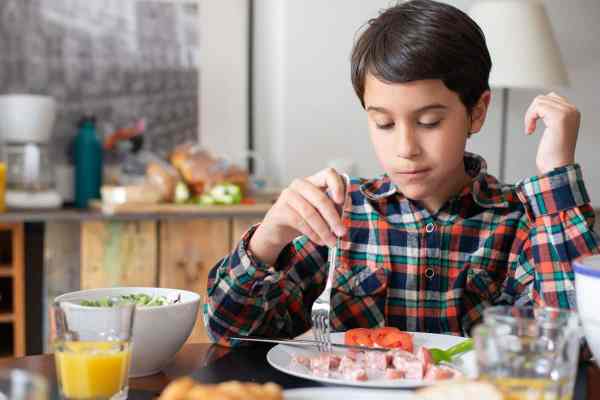
Before you go thinking that encouraging kids to explore new foods means they need to love kale chips or start devouring sushi by age four. What it actually means is helping them build a positive, curious, and low-pressure relationship with food—one exposure, one bite, and one new experience at a time.
Let’s talk about why making it novel (not perfect) works for both parents/guardians and kids to develop an adventurous mindset, and then I’ll give you 25 simple and doable ways to bring novelty to your family’s mealtimes. How do I know? Because I use these tips for my own family and for the countless families I’ve helped over the years.
Why Novelty Works Better Than Perfection
Kids are naturally curious. They love to explore the world with their hands, their imaginations, and yes—sometimes even their food (with their hands, imagination and forks too). When we let go of perfection (i.e., clean plates, no messes, or always taking polite bites) and instead embrace the experience of eating, mealtimes become an opportunity to build trust, encourage exploration, and actually enjoy the process together.
Do you have negative memories from your childhood around eating? I know a lot of my clients have! From being forced to finish their plate, take no-thank you bites even if it meant gagging, to developing a habit of sneaking food because there was so much shame tied to their food experiences and more.
Perfection creates pressure. And pressure at the table—whether it’s “just one bite” or “you used to love this!”—can lead to resistance, anxiety, or total shutdown. Because yes, your kid did like pasta two days ago and yes they hate them today. Both things can be true.
Novelty, on the other hand, creates engagement. When food feels interesting, playful, or just a little bit different, kids are more likely to interact with it. That interaction, even if it doesn’t lead to tasting right away, is a step toward becoming a more adventurous eater.
It makes me think of my son and our low-pressure approach to food. It’s lead to (in my opinion) being open to exploring and tasting new foods especially when we’re not watching or talking about it. We once took to making letters with our peas and he ate all of them.
The success is not finishing his plate, it’s in the way we created a fun and engaging environment for him to learn in.

The Power of a Positive Food Environment
Creating a home where food is talked about in neutral or positive ways, where there’s room to say “no thanks,” and where curiosity is celebrated over consumption, sets the foundation for a lifetime of healthy eating habits. You can read more about a positive food environment here.
Your role isn’t to make your child eat broccoli—it’s to make broccoli available (MANY times) in a way that feels approachable and not scary. One mistake I don’t want you to make is to stop serving a food the instant your child says they don’t like it.
If broccoli is on the menu and you’re thinking, “he won’t eat it anyway” then just put half of one broccoli floret on his plate. Yes, that is not a full serving of veggies but you’ve just created a much more approachable portion for your kid to examine and decide for themselves what to do with it. Too big of a portion and they’re more likely to not try/explore any of it.
When you give kids repeated, low-pressure opportunities to experience new foods in creative or unexpected ways, you’re doing more than feeding them—you’re teaching them to trust food and their own ability to explore.
25 Easy and Fun Ways to Add Novelty to a Meal
Here’s the good stuff—a list of creative, non-perfection-required ways to make food feel new, exciting, and fun without needing to cook a gourmet meal. These are things I add to my family meal planning list in addition to the meals themselves! Use these as inspiration for weeknight dinners, weekend lunches, or anytime your family needs a mealtime reset.
- Use cookie cutters to make fun shapes from sandwiches, cheese slices, or fruit. A wavy slicer is another fun way to just make the edges of food curvy and different. You don’t have to do this for them, just add the tools to the table.
- Let your child scoop or serve themselves family-style. Serving things family style was a game changer for us, I bet it can be for you as well.
- Add a sprinkle topping bar with hemp seeds, chia, or even rainbow sprinkles for yogurt, oatmeal, or toast. You can also add a fine cheese grater for a “grate your own cheese” topping. Kids love this!
- Offer dips—kids love dipping! Try yogurt, hummus, ranch, ketchup, or flavored oils. Say nothing and let them interact with it, or show them how you like to dip your foods.
- Serve dinner picnic-style on a blanket on the floor or outside. It’s just fun!
- Try a “build your own” bar—taco bar, sandwich station, pasta toppings, etc. Yes, it will get messy on the table but I highly encourage this one! Wouldn’t you like them to make it themselves so you don’t have to take their orders and remember what everyone wants?
- Make a meal colorful with a rainbow of fruits or veggies.
- Use a muffin tin for serving a variety of tiny bites in each cup. This is how I like to serve up after-school/daycare snacks! I just set out a tray of assorted foods and leave their selections up to them.
- Add a fun utensil, like mini tongs, toothpicks, or chopsticks for kids. Themed toothpicks are often available at craft stores and I swear they are the number one way my kids try new foods.
- Change up the location—eat at the coffee table, counter, or even in a cardboard box fort. Again, it’s for FUN!
- Have a theme night (e.g., taco Tuesday, breakfast for dinner, tiny foods night). Or have a night that’s “Lincoln’s Night” where it’s the meal your kid chose to add to the meal plan that week.
- Use bento boxes or divided plates to present food in sections. Some people worry a divided plate will create picky eating but I disagree. I’m sure for some kids this can be an issue but a sturdy divided plate can also help small hands navigate pushing food onto their spoons/forks for a casserole style meal.
- Cut foods into small, bite-sized shapes—mini pancakes, mini sandwiches, etc. Our family favorite is mini meatloaf night, the kids devour them each time.
- Give food silly names like “dinosaur trees” (broccoli) or “super strength noodles” (spaghetti). If a child is not trying a food, ask them if they’d like to name it.
- Add a paper placemat and crayons for a dining experience that keeps them engaged with their meal for a longer period of time.
- Try new textures—frozen peas, crunchy chickpeas, or toasted tortilla strips.
- Make funny faces or food art with the meal.
- Use unexpected ingredients like edible flowers, colored pasta, or a dusting of cinnamon on sweet potatoes.
- Let your child be the “taste tester” and rate or describe foods like a food critic. If they rate something low (or high) ask them what they would change, add, or takeaway from the meal to adjust the rating.
- Include a mystery food covered or hidden to discover together. One time we did this and it was a plateful of watermelon, you’d thought my kids were just given the best gift of their lives!
- Let your child help prepare something even if it’s just stirring or sprinkling cheese. Seeing the food/interacting with it prior to eating it might improve the odds of them trying it.
- Make a “restaurant menu” for the meal and let your child “order.”
- Use new or special dishes just for fun—a holiday mug, a mini bowl, or an animal plate.
- Do a taste test of different apples, cheeses, or crackers and vote on favorites.
- Switch up the temperature—try cold noodles, warm fruit, or room-temp smoothies.
Some things will be a hit on the first try, some won’t. Do not give up and do not stop trying to create fun and engaging ways for your kids to develop a positive relationship with food.
Final Thoughts: You’re Doing Great
There’s a sign in my kitchen that says, “you’re doing great” because my husband and I found ourselves needing that reminder. So this is my reminder to you! YOU are doing GREAT.
Bringing fun and novelty into your meals doesn’t have to mean more work. In fact, it often means less pressure, more laughter, and more opportunities for learning.
Remember: our goal isn’t to create perfect little eaters who love every vegetable and never push a plate away. Our goal is to create a safe, positive space with an adventurous mindset to help our kids feel confident enough to try (or not try), explore (or observe), and know that they’re loved no matter what ends up on their fork.
So next time your kid snubs the carrots or only eats the bread (bonus novelty tip, let them use a food brush and paint butter on their bread!), try adding a little sprinkle of novelty—and a whole lot of grace. You’ve got this!
Want more ideas like this delivered to your inbox? Sign-up and get 10 ways to meal plan so little kids will eat, my families’ weekly meal plan to your inbox every Sunday morning and get simple strategies that make family meals feel easier and more fun—without the pressure.
Recent Posts
Tips for When Kids Won’t Eat Dinner
Sep
Cooking Tools for Kids (That You’ll Actually Use Together)
Jul
Top 50 Toddler Snack Ideas with Minimal Effort from a Family Culinary Dietitian
May
Adventurous Eaters: Make it Novel, Not Perfect
Apr
Family Nutritionist: 10 Ways to Cook so Little Kids Will Eat
Mar
High Protein Snacks for Vegetarians
Jan
40 Vegetarian Lunch Ideas for Kids in 2025
Jan
Vegan Meal Prep for Families
Dec