
This post contains some affiliate links, which means that we make a small commission off items you purchase at no additional cost to you.
What is family style serving?
Family style serving means placing food in the center of the table and letting everyone serve themselves. In my home, this also means placing food on the kitchen island and allowing them to go and serve themselves there as well.
This approach is really helpful for little kids because it promotes independence, reduces food battles, and creates a positive environment where they can see, touch, and try new foods at their own pace.
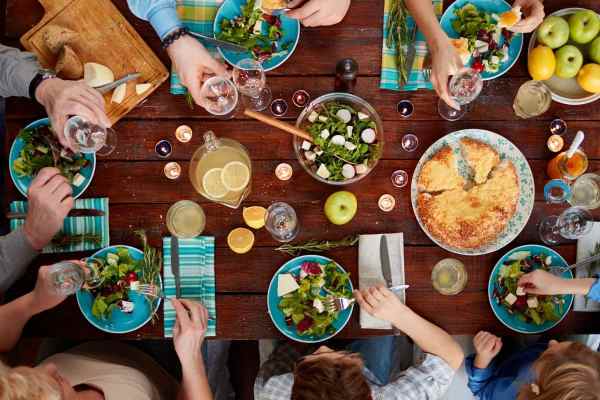
10 Tips for Family Style Serving that Encourages Little Ones to Try New Foods

1. Involve Your Kids from Start to Finish
From choosing the menu to helping set up and serve, let your child take part. If they’re part of the meal-making process, they’ll feel more excited about eating it!
My kids (and I bet yours as well) love using their voice and autonomy when it comes to food. I can’t tell you how much LESS stressful mealtimes are when they are given choices and control/influence.
2. Create a Fun, Relaxed Atmosphere
A happy mealtime vibe can go a long way. Use bright placemats, play soft music, and keep the mood light. Avoid pressuring kids to eat—let them explore the foods they’re drawn to naturally.
If you can, empty a small shelf in a cupboard they can easily access. Put their plates, utensils, and cups there so they can play a role in preparing for the meal.
3. Be a Role Model
Kids mimic what they see, so let them watch you try new foods with an open mind. Even if it’s not your favorite, show that you’re willing to explore different tastes and textures.
Your language and the words you say hold power. Use them to talk about food positively and openly, not to shame or discourage.
4. Offer a Variety of Foods, Regularly
Consistency is key for new food acceptance. Keep offering a mix of familiar foods and new options, like a side of roasted carrots or colorful bell peppers, so they have something to explore without feeling overwhelmed.
There’s no black and white way to do this. If you want a ton of ideas and help then I want you to join my Facebook group where we try to make this easier and fun for everyone.
Need help with this? Read my resource here on 200+ meal ideas for little kids.
5. Let Little Ones Serve Themselves (with a Bit of Help)
For toddlers, start with easy-to-handle serving utensils and offer a hand when needed. Letting them serve even a little can make them feel proud and independent.
I’ve learned to keep a basket of towels and wipes nearby the table. Teach kids that messes happen and it’s okay to use them as a learning moment for how to clean up as well.
6. Adapt for Younger Kids’ Skill Levels
Try using smaller, easy-to-hold tongs or serving spoons that fit tiny hands. With practice, they’ll build motor skills and confidence, which can reduce mealtime frustrations.
If you want ideas on utensils and kid friendly eating tools, check out my shop here!
7. Make Mealtime a Routine
Kids thrive on routine, so try serving family-style meals around the same time each day. Fun traditions like “Taco Tuesday” can give them something to look forward to and help reduce anxiety about mealtime.
Give them a daily or weekly job! If they know they have a role to play in preparing for the meal like grabbing the plates or setting out utensils, this can help them ease into the meal more comfortably.
8. Keep Calm with Backups Ready
Spills and messes happen! Keep extra utensils and napkins close by. If food gets spilled, have a bit extra prepared so no one feels frustrated if something’s dropped.
I know it’s hard, but especially when they’re little let them choose how much food (within reason) to put on their plate. If it’s one pea and 20 noodles, that’s okay! When it comes to getting kids to eat what you cook, it’s a long game.
9. Encourage Them to Help Clean Up
Kids love feeling responsible, so let them pitch in with cleaning up. This not only lightens your load but also gives them a sense of ownership over the whole meal experience.
Since my kids often leave food on their plates, depending on the day I tell them to bring their plate to the counter when they’re done. I also invite them to come and sit with us some more unless they’re ready to go play.
When they’ve left food on their plate, I usually bring it back out for their bedtime snack later on. I may pair it with a cup of milk or a banana – something boring, filling, and easy to grab/prepare.
10. Be Patient with Their Choices
It’s normal for kids to take time to warm up to new foods or eat in only small portions. How do they thrive with one bite of a cracker some days and other days they eat two burgers!? Asking for a friend…
Family-style eating is all about the long game. Each meal is a new chance for them to try things in their own way.
Here’s the WHY behind family style serving can be a game changer:
Why Family-Style Eating Helps Little Kids Eat & Try New Foods
1. It Encourages Variety in a Pressure-Free Way
Giving kids the freedom to choose what goes on their plates can make them more curious to try new foods. Instead of setting a specific portion on their plate, family-style eating allows kids to pick and choose based on their interests, even if it’s just a tiny taste at first. With a variety of fruits, veggies, and proteins on the table, they’re more likely to try something new in their own time.
Don’t think every meal has to be a plethora of options. Sometimes my kids have multiple veggies to choose from and sometimes just one.
If they don’t want to eat it but can grab a different veggie, awesome. If they don’t want a veggie that night, that’s okay too.
2. Kids Learn to Trust Their Hunger Cues
Kids can practice portion control and learn about their own hunger and fullness cues when they decide how much food to serve themselves. This is a great opportunity to help them feel confident about eating, without pressure to “finish everything on their plate.”
If you were like me and apart of the clean your plate club, I see you. This pressure method isn’t recommended and just creates more mealtime battles.
3. Social Interaction & Skills Development
Family-style meals help children practice social skills like asking for help, passing food, and politely saying “no, thank you.” It’s also a fantastic time for parents and kids to bond, share stories, and create lasting family mealtime traditions.
Furthermore, it’s a valuable opportunity to use positive, empowering language around food, helping kids feel curious and confident in their choices. By describing foods in simple terms—like “crunchy carrots” or “juicy berries”—you can encourage them to explore food using their senses and learning descriptive words along the way.
4. Reinforces Positive Eating Habits
When kids see parents and siblings enjoying a balanced meal, they’re more likely to want to join in. They might even get creative, arranging foods in fun ways, like making faces with fruits or matching colors on their plates.
The saying, “don’t play with your food” is totally misguided. Playfulness is one of the most helpful ways to engage kids during mealtime. It may encourage touching, smelling, licking/tasting food, and (hopefully) eating it as well. Remember – we’re playing the LONG GAME.
Family-style eating can transform mealtimes into a positive experience that helps kids explore food, build confidence, and feel involved.
Ready to get your kids to eat what you cook? Sign-up for my 5-day Challenge to learn how!
Recent Posts
Tips for When Kids Won’t Eat Dinner
Sep
Cooking Tools for Kids (That You’ll Actually Use Together)
Jul
Top 50 Toddler Snack Ideas with Minimal Effort from a Family Culinary Dietitian
May
Adventurous Eaters: Make it Novel, Not Perfect
Apr
Family Nutritionist: 10 Ways to Cook so Little Kids Will Eat
Mar
High Protein Snacks for Vegetarians
Jan
40 Vegetarian Lunch Ideas for Kids in 2025
Jan
Vegan Meal Prep for Families
Dec